



















In international freight forwarding, FCL shipping safety is largely a question of how much control the shipper keeps over the cargo after loading. A full container load gives one exporter or consignee control of the entire box, which reduces cargo mixing, reduces unnecessary handling, and creates a more direct custody chain than shared consolidation.
LCL remains useful for small shipments, but it introduces more staging, more warehouse contact, and more opportunities for cartons to be moved, stacked, unpacked, or reloaded. For higher-value freight, those differences can matter more than a small freight-rate saving.
Why FCL Shipping Is Safer Than LCL
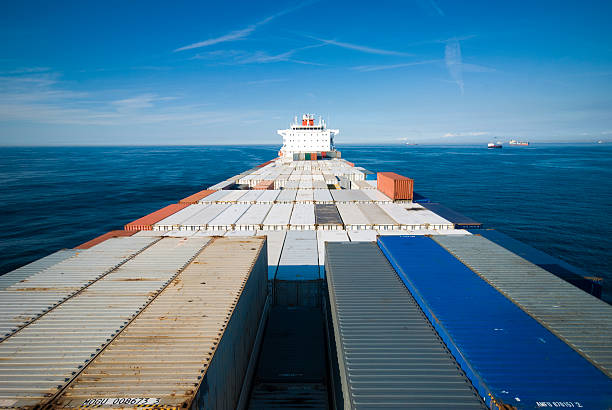
FCL means full container load. The container is allocated to one shipper's cargo, sealed after loading, and normally handled as a single unit through the main export leg. That physical separation is important because it reduces the number of transfer points where damage or loss can occur.
Physical Separation Limits Interference
When cargo is not mixed with other shippers' goods, the risk of interchange, misrouting, or carton confusion is lower. A sealed container also makes it easier to understand where responsibility begins and ends if a shipment is inspected or delayed.
Fewer Handling Steps Reduce Exposure
Every extra warehouse transfer creates a chance for impact, pressure, moisture, label loss, or pallet instability. FCL avoids the repeated consolidation and deconsolidation required in shared-load transport, so the shipment typically faces fewer opportunities for physical damage.
How LCL Adds Hidden Cost and Risk
LCL shipping works by combining multiple shipments into the same container. That is efficient for volume sharing, but it also means the cargo passes through terminal sorting, origin warehouse consolidation, destination unpacking, and often additional cross-docking steps.
Handling Frequency Is Higher
The more frequently a shipment is handled, the more likely it is to suffer from carton damage, pressure marks, lost labels, or delay caused by documentation mismatch. For fragile or higher-value cargo, the hidden operational cost of handling can outweigh the freight-rate advantage.
Transit Time Can Also Extend
Because LCL depends on consolidation, a shipment may wait for other cargo before departure and may also wait again at destination before unpacking and final release. That creates a longer end-to-end lead time than a direct full container move in many trade lanes.
Comparison: Cargo Loss Rate and Control
The cargo loss rate comparison is rarely about one dramatic event. It is usually about cumulative exposure across loading, storage, transit, and delivery. FCL reduces that exposure by limiting transfers and keeping the cargo under a single booking reference and one sealed unit.
When FCL Is the Better Choice
FCL is usually better for expensive cargo, fragile packaging, bulk replenishment, and goods that should not be mixed with other consignments. It is also preferred when the shipper needs a clearer responsibility trail and less warehouse intervention.
When LCL Still Works
LCL still makes sense for samples, low-volume orders, and shipments that do not justify a full container. The decision should be based on cargo profile, not only on quoted freight cost.
Procurement Guidance for Shippers
When buyers compare FCL and LCL, the right procurement question is usually not which rate is lower. The real question is which mode better protects the cargo and preserves the delivery promise once handling risk is included.
Questions to Ask Before Booking
Ask how many handling points the shipment will pass through, whether the container is sealed at origin, how cargo is protected during loading, and what the expected lead time is from pickup to final delivery.
Ask whether the freight quote covers terminal handling, consolidation charges, unpacking charges, and destination delivery fees. A low headline rate can become expensive if the shipment accumulates multiple service charges.
Also ask the forwarder to explain the custody chain in practical terms. A clear answer usually reflects a more mature operation.
Conclusion
FCL shipping safety comes from physical isolation, fewer handling stages, and a clearer custody chain. LCL offers flexibility, but it usually creates more handling risk, more hidden cost, and a less predictable transit profile.
For cargo that matters, the more reliable choice is often the one that reduces touchpoints rather than the one that only lowers the rate on paper.
Wechat Official Account